Category: Exclusive

  • Are You Suffering from the Sperm Count and Quality

    Getting pregnant is not always as easy as we think it should be. One common problem is a low sperm count, but the good news is that there are foods that are not only super tasty, but super good for sperm.

    The best part? Some of these foods are also aphrodisiacs… so if you’ve gotten a little bored with getting it on to get prego, whip up a menu based on these sexy foods.

    Asparagus – That little green vegetable that gets so much flack for what it does to the smell of your urine actually has some fantastic powers over sperm. The ridiculously high amount of Vitamin C prevents sperm from oxidizing, and it protects the cells of the testicles. Additionally, Vitamin C decreases free radicals so your man’s body can focus on producing sperm instead of fighting off disease.

    Avocado – Summer is the perfect time to pick up some yummy avocados for guacamole… and a hot night at home. Packed with vitamin E, vitamin B6, and folic acid, avocados boost sperm motility and give it the strength to penetrate an egg.
    f

    Bananas – Upon reading that this fruit can help your guy out, we had some giggly flashbacks to Drew Barrymore putting a condom on a banana in Never Been Kissed. Phallic shape aside, there are some awesome things going on in bananas to help increase sperm count. Bananas have a rare enzyme in them called Bromelain, which has been shown to regulate sex hormones. There’s also a good amount of vitamin B1, vitamin A, and vitamin C which will help increase his stamina and boost his body’s ability to make sperm.

    Beef – This was a little surprising to us given that doctors are constantly saying to lay off red meat if you want a healthy heart. Lean beef, though, is a fantastic source of zinc. A little research on the Dr. Oz site told us that zinc has protective properties that keep free radicals from getting at your man’s little swimmers. In fact, zinc goes even further to prevent testosterone from converting to estrogen, which is the culprit of a low sex drive.

    Dark Chocolate – There’s no sexier food to bring into the bedroom than dark chocolate, but now, it’s not just the seductive taste you’ll want it for. Dark chocolate contains L-Arginine HCL, an amino acid related to the arginine in walnuts. It also doubles your guy’s sperm count and semen volume. Men who eat a little dark chocolate everyday have also noted that they have stronger and more intense orgasms. BONUS: it does that for you, too. *wink*

    Garlic – Along the same lines as ginseng, garlic possesses the power to increase blood flow. The chemical allicin not only helps keep plaque from building up in the arteries, it also improves the flow of blood to the genitals and boosts the strength and endurance of the sperm. Garlic also contains selenium and vitamin B6 to prevent sperm damage and regulate hormones.

    Ginseng – Dr. Oz recommends ginseng for guys who are dealing with less than impressive bedroom scenarios, but a little more online research tells us that men in Asia have been supplementing ginseng into their diets for centuries because it improves virility. In fact, ginseng increases libido, sexual performance, and aids in blood flow to the testicles. In a study at Southern Illinois University, 45 men with erectile dysfunction were put on a ginseng regimen, and at 16 weeks, 60% of those men reported having stronger erections.

    Oysters – The fact that oysters are an aphrodisiac was first presented to me in the form of Sex in the City. The process of feeding to each other and sucking down the slimy little things really gets people going. Did you know they also have sperm count increasing benefits? A good portion of a sperm cell is composed of zinc, which oysters are relatively high in. Eating oysters can not only increase sperm production but it can aid in the repair of damaged sperm.

    Pomegranate – This is the most super of all super foods. It seems like it can truly cure whatever ails you from the common cold to low sperm count. Because of the intense cocktail of antioxidants in pomegranates, the juice can lower a chemical in the blood called malondialidehyde. That chemical destroys sperm, so drinking pomegranate juice is like putting a super hero cape on all those sperm so they can destroy the evil free radicals and get to the egg just in time.

    Walnuts – In high school, we were given a comparison between the size of a walnut and a testicle. Strangely enough, size is not the only link between them. Walnuts contain arganine, which helps the testicles to increase sperm production and also aids in semen volume increase. It also contains Omega-3 fatty acids which improve the blood flow to the penis. These nuts also have twice the antioxidant power over other nuts so they do a great job of protecting the little guys, too. BONUS: eating 7 walnuts a day lowers cholesterol and the risk of heart disease.

  • Remedies Of hair Loss In a Natural Way

    No, it’s not your imagination. Your hair is thinning. According to board-certified hair-restoration physician Dr. Alan Bauman, 20 percent of men start to lose their hair in their twenties. While genetics play a big role, you still have some control over your hairline—and we aren’t talking plugs or hair-in-a-box remedies, here. We’re talking food. That’s right, if your reflection shows an ever-growing forehead, put down the hat and reach for the fridge instead. (more…)

  • New Research Found The Cure of Cancer

    New research conducted by Harvard scientists is laying out a road map to one of the holy grails of modern medicine: a cure for cancer.

    As described in a paper recently published in eLife, Martin Nowak, a professor of mathematics and of biology and director of the Program for Evolutionary Dynamics, and co-author Ivana Bozic, a postdoctoral fellow in mathematics, show that, under certain conditions, using two drugs in a “targeted therapy” — a treatment approach designed to interrupt cancer’s ability to grow and spread — could effectively cure nearly all cancers.

    Though the research is not a cure for cancer, Nowak said it does offer hope to researchers and patients alike.
    (more…)

  • Grand Prospect in Neurobiology

    A new finding by Harvard stem cell biologists turns one of the basics of neurobiology on its head by demonstrating that it is possible to turn one type of already differentiated neuron into another within the brain.

    The discovery by Paola Arlotta and Caroline Rouaux “tells you that maybe the brain is not as immutable as we always thought, because at least during an early window of time one can reprogram the identity of one neuronal class into another,” said Arlotta, an associate professor in Harvard’s Department of Stem Cell and Regenerative Biology (SCRB). (more…)

  • Do you know what are you putting on your lips

    Are you concern what are you putting on your lips ?

    Have you ever thought about what’s in that pretty red stuff you’re putting on your lips? Could it be collagen, beeswax, strawberries, or lead perhaps?

    Reports about lipstick containing lead are flooding the media, since the Campaign for Safe Cosmetics conducted a study of 33 lipsticks from store shelves among four U.S. cities and found that over 61% contained lead. Tests revealed levels ranging from 0.03 to 0.65 parts per million. The Food and Drug Administration (FDA) limits lead levels in candy to be less than 0.1 ppm, but does not regulate the level of lead in lipstick. (more…)

  • Additional testosterone eases your compassion

    A new study from Utrecht and Cambridge Universities has intended for the first time found that an administration of testosterone under the tongue in volunteers depressingly affects a person’s capacity of ‘mind read’, an indication of empathy. The findings are published this week in the journal proceeding of the National Academy of Sciences.

    This research contributes to our knowledge of how little hormonal differences can have extensive effects on compassion.

    Professor Simon Baron-Cohen

    In addition, the belongings of testosterone management are forecasted by a fetal indication of prenatal testosterone, the 2D:4D ratio. The study has vital allegations for the androgen theory of autism (testosterone is an androgen) and confirms earlier rodent research that shows that testosterone organizes (more…)

  • Regenerative surgery aims to redevelop damaged tissues

    Regenerative surgery is a new area in research that focuses on helping you cure faster. It can help a body fix broken bones in a fraction of the time it would normally take. A study task is utilising gene therapy and arise cells to help impaired skeletal parts regenerate much quicker and open up new market possibilities for tissue-repair expertise in the health part (more…)

  • Lychee

    lycheDelicious litchi-pulp (flesh). Lychee fruit-inside.

    Note for dark brown colored seed with smooth surface.

    It is a slow growing, medium-sized evergreen tree with dense, round-topped foliage, and smooth, gray, brittle trunk and branches. It May reach 40-50 feet height. Lychees, not only eye-catching in spring When the huge sprays of flowers adorn the tree But Also is a stunning sight for nature lovers When the tree is full of berries. (more…)

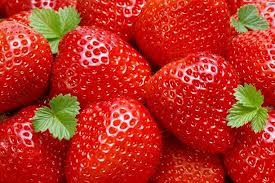
  • Strawberry!!!

    STRAWBERRY

    Strawberries are not only a delicious fruit, but also a food loaded with numerous health benefits.In addition to its antioxidant power and are known anti-inflammatory capabilities and enhancing overall health. (more…)

  • Power Your Immune System Facing The Change of Season

    lose fatMany centuries ago suspected that the immune system may be the key to overcoming many of the worst diseases we suffer. The first victory in this area was spared in 1796 when Edward Jenner discovered the vaccine against smallpox. Since that time it has rained a lot and science and is able to verify that the balanced diet, rest, exercise, a relaxed pace of life, the elimination of snuff and moderation in alcohol consumption strengthen our defenses naturally. But with the arrival of the cold and the change of season the body suffers, let’s give as a gift pantry advantage that Mother Nature gives us and he will be grateful.
    Muscle aches without doing exercise, broken nails, weak hair, unjustified fatigue, sores that are slow to heal, colds, pupae on the lips … may be the alarm that our immune system is not at its best. Possibly the responsibility of those states we find a lack of vitamins A, C, E, and some B group, or bioflavonoids and fatty acids, and trace elements such as copper, iron, zinc and selenium, and that foods containing not part of our diet.
    Knowing where to find these nutrients our diets will become our best ally against disease:

    Vitamin A: Essential for bone system development, cell growth, immune and reproductive systems, vision and infection prevention and aging, as natural antioxidant is to scavenge free radicals.

    Foods that contain:
    Liver, butter and cream, eggs and whole milk, dark green vegetables, red-colored or orange-yellow as carrots, sweet potatoes, pumpkin, squash, pepper, spinach, lettuce, broccoli, Brussels sprouts, tomatoes, asparagus, and fruits such as apricot, peach, melon, papaya, mango, peach and cherries.

    His lack
    The lack of this vitamin could be the cause of not only bacterial infections but a deficiency in visual acuity, joint disease, skin rough and dry, scaly, loss of weight and appetite, altered taste, and hearing smell.

    Vitamin B
    The vitamin B complex consists of a group of vitamins that are assimilated and rapidly eliminated in the urine, so you need to consume daily a minimum. With her health care heart and arteries, maintain in good condition the nervous system and the mind, and strengthen the immune system.

    Foods that contain
    Liver and viscera in general, veal, chicken and pork, eggs, and whole grains (rice, wheat, oats …), legumes (soybeans, peas, lentils, dry beans, chickpeas …) or walnuts. Also in peanut butter, mushrooms, brewer’s yeast and wheat germ.

    His lack
    They can suffer from deficiency of this vitamin by their reduced ability to assimilate, elderly, sick gut, addicted to alcohol, smoking, vegans, pregnant and lactating patients thyroid and operated.

    Vitamin C
    This vitamin helps to maintain the natural barriers against infection and contributes to the maintenance of bones, teeth and blood vessels and protects us from infections. In necessary for the formation of collagen, the most abundant component of skin and bone, and wound healing as other vitamins being a powerful antioxidant.

    Foods that contain
    Their sources are only from plants and contain the vast majority of vegetables (peppers, cabbage, cauliflower, spinach, tomatoes, peppers and potatoes) and fruits such as bananas, citrus, mangoes, apples, pineapples, cantaloupe, strawberries, kiwi, strawberries, berries, persimmon and guava.

    His lack
    Its deficiency in the body can cause inflammation and bleeding gums, rough, dry skin, spontaneous bruising, nosebleeds, anemia, joint pain and swelling, impaired wound healing, and most serious, scurvy, mainly in the elderly and malnourished people, manifested in anemia, swollen and bleeding gums and a general weakening of the body.

    Vitamin E:
    Antioxidant also protects against the effects of aging such as memory loss and the presence of toxic substances that enter the body through inhalation or oral, such as drugs or radiation. Human studies have shown an increase of the immune response after administration of vitamin E, especially viral diseases. Like other antioxidants is believed to prevent or delay cataract formation.

    Help the proper functioning of the nervous system, the healing of burns, prevents thrombus formation and thus decreases the risk of myocardial infarction, angina or stroke, and prevents the occurrence of seizures in people with poor circulation and anemia .

    Foods that contain
    Vitamin E is found in germ vegetable oils (soybean, peanut, rice, cotton and coconut), green leafy vegetables, cereals and breads.

    His lack
    Who may need a higher dose of vitamin E? Basically three groups: people with celiac disease and cystic fibrosis, with problems absorbing fats or secrete bile, premature babies weighing less than 1500 grams, and individuals with certain genetic abnormalities. Your symptoms are manifested in irritability, fluid retention, changes in vision, difficulty maintaining balance, fatigue, apathy, difficulty concentrating, impaired walking, anemia with destruction of red blood cells and nervous system damage.

    Flavonoids: Vegetables from the cabbage family, green leafy vegetables, fruits, red, purple and citrus.

    Iron: Liver, meat (especially the horse), fish, eggs and dairy lesser extent.

    Zinc: Its deficiency is associated with increased susceptibility to infections.
    It is found in meats, organ meats, fish, eggs, whole grains and legumes.

    Selenium: A deficiency of this substance also affects immunity, which can counteract with eating meat, fish, seafood, cereals, eggs, fruits and vegetables.

    Copper: Anti-inflammatory and anti-infective, copper is present in liver, fish, seafood, whole grains and green vegetables.

    Fatty acids: Its source is the seed oils (sunflower, corn, soy …), wheat germ and nuts oils.