Blog

  • Power Your Immune System Facing The Change of Season

    lose fatMany centuries ago suspected that the immune system may be the key to overcoming many of the worst diseases we suffer. The first victory in this area was spared in 1796 when Edward Jenner discovered the vaccine against smallpox. Since that time it has rained a lot and science and is able to verify that the balanced diet, rest, exercise, a relaxed pace of life, the elimination of snuff and moderation in alcohol consumption strengthen our defenses naturally. But with the arrival of the cold and the change of season the body suffers, let’s give as a gift pantry advantage that Mother Nature gives us and he will be grateful.
    Muscle aches without doing exercise, broken nails, weak hair, unjustified fatigue, sores that are slow to heal, colds, pupae on the lips … may be the alarm that our immune system is not at its best. Possibly the responsibility of those states we find a lack of vitamins A, C, E, and some B group, or bioflavonoids and fatty acids, and trace elements such as copper, iron, zinc and selenium, and that foods containing not part of our diet.
    Knowing where to find these nutrients our diets will become our best ally against disease:

    Vitamin A: Essential for bone system development, cell growth, immune and reproductive systems, vision and infection prevention and aging, as natural antioxidant is to scavenge free radicals.

    Foods that contain:
    Liver, butter and cream, eggs and whole milk, dark green vegetables, red-colored or orange-yellow as carrots, sweet potatoes, pumpkin, squash, pepper, spinach, lettuce, broccoli, Brussels sprouts, tomatoes, asparagus, and fruits such as apricot, peach, melon, papaya, mango, peach and cherries.

    His lack
    The lack of this vitamin could be the cause of not only bacterial infections but a deficiency in visual acuity, joint disease, skin rough and dry, scaly, loss of weight and appetite, altered taste, and hearing smell.

    Vitamin B
    The vitamin B complex consists of a group of vitamins that are assimilated and rapidly eliminated in the urine, so you need to consume daily a minimum. With her health care heart and arteries, maintain in good condition the nervous system and the mind, and strengthen the immune system.

    Foods that contain
    Liver and viscera in general, veal, chicken and pork, eggs, and whole grains (rice, wheat, oats …), legumes (soybeans, peas, lentils, dry beans, chickpeas …) or walnuts. Also in peanut butter, mushrooms, brewer’s yeast and wheat germ.

    His lack
    They can suffer from deficiency of this vitamin by their reduced ability to assimilate, elderly, sick gut, addicted to alcohol, smoking, vegans, pregnant and lactating patients thyroid and operated.

    Vitamin C
    This vitamin helps to maintain the natural barriers against infection and contributes to the maintenance of bones, teeth and blood vessels and protects us from infections. In necessary for the formation of collagen, the most abundant component of skin and bone, and wound healing as other vitamins being a powerful antioxidant.

    Foods that contain
    Their sources are only from plants and contain the vast majority of vegetables (peppers, cabbage, cauliflower, spinach, tomatoes, peppers and potatoes) and fruits such as bananas, citrus, mangoes, apples, pineapples, cantaloupe, strawberries, kiwi, strawberries, berries, persimmon and guava.

    His lack
    Its deficiency in the body can cause inflammation and bleeding gums, rough, dry skin, spontaneous bruising, nosebleeds, anemia, joint pain and swelling, impaired wound healing, and most serious, scurvy, mainly in the elderly and malnourished people, manifested in anemia, swollen and bleeding gums and a general weakening of the body.

    Vitamin E:
    Antioxidant also protects against the effects of aging such as memory loss and the presence of toxic substances that enter the body through inhalation or oral, such as drugs or radiation. Human studies have shown an increase of the immune response after administration of vitamin E, especially viral diseases. Like other antioxidants is believed to prevent or delay cataract formation.

    Help the proper functioning of the nervous system, the healing of burns, prevents thrombus formation and thus decreases the risk of myocardial infarction, angina or stroke, and prevents the occurrence of seizures in people with poor circulation and anemia .

    Foods that contain
    Vitamin E is found in germ vegetable oils (soybean, peanut, rice, cotton and coconut), green leafy vegetables, cereals and breads.

    His lack
    Who may need a higher dose of vitamin E? Basically three groups: people with celiac disease and cystic fibrosis, with problems absorbing fats or secrete bile, premature babies weighing less than 1500 grams, and individuals with certain genetic abnormalities. Your symptoms are manifested in irritability, fluid retention, changes in vision, difficulty maintaining balance, fatigue, apathy, difficulty concentrating, impaired walking, anemia with destruction of red blood cells and nervous system damage.

    Flavonoids: Vegetables from the cabbage family, green leafy vegetables, fruits, red, purple and citrus.

    Iron: Liver, meat (especially the horse), fish, eggs and dairy lesser extent.

    Zinc: Its deficiency is associated with increased susceptibility to infections.
    It is found in meats, organ meats, fish, eggs, whole grains and legumes.

    Selenium: A deficiency of this substance also affects immunity, which can counteract with eating meat, fish, seafood, cereals, eggs, fruits and vegetables.

    Copper: Anti-inflammatory and anti-infective, copper is present in liver, fish, seafood, whole grains and green vegetables.

    Fatty acids: Its source is the seed oils (sunflower, corn, soy …), wheat germ and nuts oils.

  • Hammer Toe

    Hammer Toe
    Hammer toe Is a deformity of a toe, in which the end of said finger is bent downward.

    Causes
    The Hammer toe usually affects the second toe, but may also affect the other toes. Finger rotates into a position similar to a claw. (more…)

  • Women Take off Their Toes to Wear Heels Comfortably

    illness

    The latest craze among Americans was operated the toes for them thin. However, this trend was apparently already displaced by another equally strange to many: the “Stiletto Surgery”.

    According to various media have reported the country’s north, more and more women turn to specialists in order to intervene their feet, but not to improve their appearance, but more than anything to get their high-heeled shoes are calcen well and can use them comfortably. (more…)

  • Why We Drink Water?

    water

    Life without water undoubtedly disappear.Every day our body performs countless processes in which water is lost, so it tends to dry skin, moisture also reduces our body needs to function well.

    In normal conditions and with the proper functioning of the kidney, a person loses about 1450 milliliters of water per day, divided between water and urine (500 ml), during respiration as water vapor (600 milliliters) in the sweat ( 200 milliliters) and of course depending on weather conditions and physical activity is performed and stool (150 milliliters). Therefore it is necessary that we help our body to maintain balance, compensating for this loss by taking no less than 1,450 milliliters of water daily and much better your completed two liters. This drink is recommended as follows:

    – Morning: 1 liter consumed over a period of 30 minutes.

    Afternoon: Drink 1 liter to over a period of 30 minutes.

    And at night: Consume one liter over 60 minutes and half an hour after dinner.

    We must take into account that solid foods also provide a considerable amount of water in our body, so that an adequate amount fnalmente is 6-8 glasses a day.

    Consequences of not drinking enough water


    Not drinking enough water in our body causes a variety of ailments, thereby indicating us that we are supplying water that is not enough. Here are some symptoms caused by small states of dehydration:

    Headache.
    Fatigue.
    Mood swings.
    Cramps.
    Muscle aches.
    They usually occur in states of chronic dehydration when water intake is less than 700 milliliters per day (less than 3 glasses of water a day) for a long time:

    Numbness of limbs.
    Disturbed vision.
    Trouble swallowing.
    Delirium.
    Heart attacks and even death.
    Properties of water


    Water makes up about 60 percent of our body, has physical and chemical properties beneficial to the body and it is the ideal medium for transport of substances, which is why indispensdable in the processes of digestion, absorption, nutrient distribution, transportation and disposal of toxic elements.

    Drinking the recommended amount of water the liver, kidneys, digestive and immune system do very well with their duties, lubricate joints and improve the strength of the ligaments.

    Water also acts as a shield, as it controls the temperature, helps maintain proper levels of acidity in the body and slows the aging process.

    A balanced intake of this fluid also helps maintain the beauty of hair, nails and skin, which looks bright perfectly hydrated, since cell regeneration occurs via sufficient support of minerals, nutrients and oxygen course .

    Water is an excellent partner when it comes to losing weight, as it suppresses the appetite and helps the body metabolize stored fat.

    Water: Natural Medicine


    Recent studies conducted at Harvard University have concluded that the intake of water in appropriate amounts, reduced by 45%, the risk of colon and half the odds of developing bladder cancer, because the more concentrated hydration poor amount of toxic and carcinogenic substances in these organs.

    There is also talk about studies in England, which concluded that being hydrated reduces by 79% the risk of developing breast cancer.

    Drinking enough water also reduces the risk of heart disease: In Loma Linda University in California did a study involving 20,000 healthy people who drank 5 glasses of water and which had a lower rate of cardiovascular problems compared to those who drank only two glasses a day.

    Researchers at the University of Buffalo in New York, meanwhile proved that ingesting water our bodies need, moisturizes the mucous membranes that line the nose, throat, bronchi and lungs, decreasing the chances of viral infections such as the common cold or flu , and bacterial infections in asthmatics possibility of having an acute attack.

    Also has been attributed to the intake of an appropriate amount of water, decreasing the production of calculi or kidney stones, and the incidence of urinary tract infections.

    Finally it has been shown that if our body is sufficiently hydrated, increasing substances to control bacteria in the mouth and found in saliva, preventing gingivitis (gum inflammation), cavities and other mouth diseases.

    Besides consuming two liters of water daily, exiten other ways to hydrate our body. A good example is through fruits, including and increasing daily consumption of watermelons, oranges, grapes, pears and peaches. So eat them alone, in desserts or as the main ingredient in a refreshing beverage.

    Drink water when you wake up, during the course of the day and every time you feel thirsty, your whole body will run smoothly, looking healthy and shiny.

  • Benefits & Disadvantages of Milk

    download

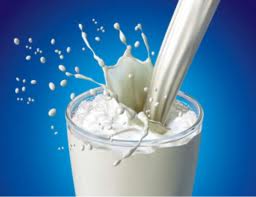
    Milk is a food of animal origin consumed and valued in our society. Its popularity came from its high nutritional value, as well as for their culinary possibilities. However, it should be noted some of the drawbacks or disadvantages that may present consumption.
    Always is undisputed that the human being is able to consume milk of different species, in addition to breast milk. This provides nutrients of high biological value essential during the development stage, but it also brings some disorders to consider.
    Benefits or advantages of milk consumption

    Low calorie: is a food that provides many nutrients but has low calorie, unlike some snacks and sweets, they do provide a lot of calories and almost no nutrients.
    Great variety nutritious: it is considered one of the most complete foods, containing high biological value proteins, fats, carbohydrates, water, vitamins, both water soluble and minerals.
    Prevent osteoporosis: provided that their consumption has been adequate during childhood and adolescence, ie at the stage of bone development, since milk is a great source of calcium.
    But contrary to what is believed, once installed osteoporosis in adulthood its preventive action is void.
    Feeding that takes place during the growth stage will be crucial to adulthood.
    Stimulates the formation of new tissue in the body, during the stage of child growth, pregnancy, surgery, burns, fractures, etc..
    It neutralizes stomach acid: to be a food alkaline (pH 6.6), although some people do not produce this benefit.
    It has a uricosuric effect: this means that facilitates the elimination of uric acid through the urine, helping to lower your blood value.
    Promotes the growth of the intestinal bacterial flora: of vital importance as the flora in turn synthesizes vitamin B complex
    It prevents the growth of pathogens in the gut: thanks to the action of lactic acid, a substance produced by intestinal bacteria to transform the lactose in milk.

    Disadvantages and / or disadvantages of milk consumption
    Lacking in some nutrients: such as fiber, iron and vitamin C. Cow’s milk does not provide the ideal amino acid ratio, so although protein of good quality, are not complete. Ideally combining dairy proteins cereal protein supplementation to be optimal.
    Irritating to digestive system in sensitive individuals may occur: abdominal cramps, irritable bowel aggravation and gastroduodenal ulcers (by a rebound effect of acid secretion, acidity when calm, but then increases acid secretion), inflammation and intestinal bleeding in infants.
    May aggravate rheumatoid arthritis: as antigen-antibody complexes generated by milk can be deposited in the joints causing inflammation and numbness.
    Iron deficiency anemia: either because milk is low in iron and small intestinal bleeding can occur consumption, especially in infants.
    Some components are risk factors for heart disease: saturated fat and casein increase the level of blood cholesterol, and lactose well predisposing heart disease. Its use is not recommended in the presence of infarction and arteriosclerosis.
    It may be causing cataracts: in some people, because galactose can cause lens opacity.
    Related to some types of cancer: because most of the milk fat is saturated. There is abundant scientific evidence to conclude that daily consumption of milk increases the risk of developing prostate cancer, ovarian and lymphoma.
    Bacterial contamination, chemical or radioactive: it is a very delicate food, thus, its conservation and its processing are key to public health.
    Contraindicated in the following situations:
    Lactose intolerance: can consume lactose milk or cheese or yogurt, since less lactose
    allergic to cow’s milk: should remove all dairy and soy products to replace them.
    galactosemia: substitute soy products
    Stomach surgery: by dumping syndrome, gastrointestinal signs and symptoms that appear after a gastric surgery, such as bloating, diarrhea, vomiting and nausea.

  • Why We Eat Rice?

    rice

    We know that rice is an important cereal in the Asian and Latin American cuisine, but we also mention that it is a food that provides us with many benefits, such as it is easily digestible and helps restore the intestinal mucosa, which we greatly benefits the celiac. (more…)

  • The Potato: Origin & Benefits

    potato

    In much of our food with us or potato protagonist. In our post today elaborate on this rich vegetable, native to the Andean highlands, the border between Peru and Bolivia and came to our country in the sixteenth century and was long considered proper food lower (more…)

  • Lemon and Its Benefits

    lemon

    While it is a fruit acid flavor are many properties that this small defect, becomes a virtue after meeting the nutritional benefits and healing that gives us.
    The lemon occupies first entered the fruits curative, (more…)

  • Water with Lemon

    Water with lemon
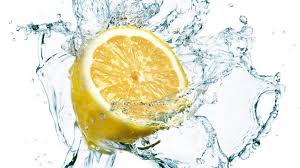
    Start the day with a large cup of warm water with lemon juice is one of the simplest and best things you can do for you.

    Doctors holistic detox experts and integrative medicine, ayurvedic and health coaches, they consider the most natural and simple way (more…)

  • Papaya- A Good Fruit

    papaya

    First of all I must confess that this is not my favorite fruit, but we must accept that this tropical fruit native to America has great benefits mainly its digestive properties.

    The papaya has extraordinary qualities (more…)